Berlin’s Universities Shape the Next Generation of Tech Exit Founders
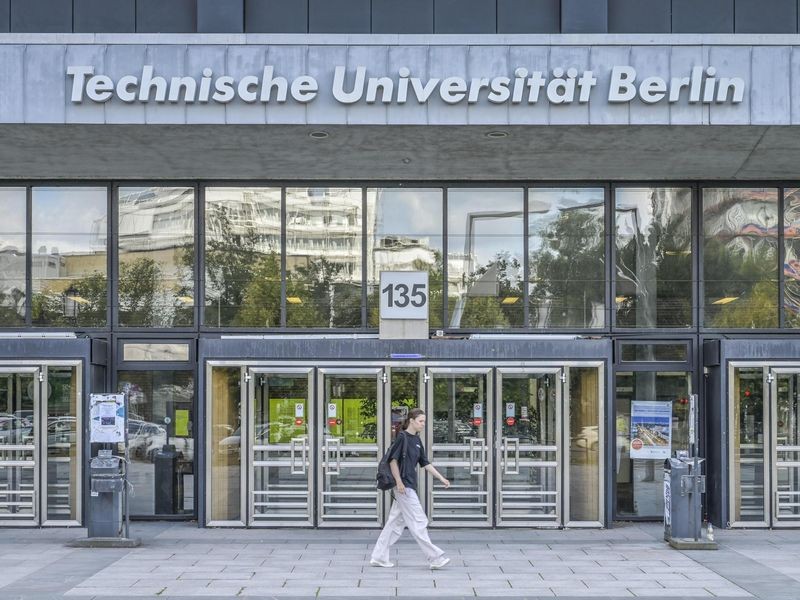
A recent study by Gisma University of Applied Sciences has shed light on the academic backgrounds of founders behind some of the DACH region’s most successful tech startups.
The data, which analyzed 196 exit companies—defined as startups that were acquired, went public, or were sold—revealed that 10.6% of all identified founders came from Berlin-based universities. This positions the city as a key player in fostering the next wave of tech innovators.
The Technische Universität München (TUM) dominated the rankings, producing 34 founders, followed by the Ludwig-Maximilians-Universität München (LMU) with 15. Among Berlin’s institutions, the Technische Universität Berlin ranked sixth with eight founders, while the Freie Universität Berlin also contributed five.
These numbers underscore the city’s growing influence in the German tech ecosystem. The study highlights that technology and business-related fields are the most common among successful founders. Computer science led with 36 founders, followed by business administration (33) and business informatics (25). Other frequently represented disciplines included economics, industrial engineering, and law, reflecting the interdisciplinary nature of modern startups.
The gender imbalance among founders remained striking. Of the 436 founders identified, 89.4% were male, while only 10.6% were female. This disparity was mirrored in the most common first names, where traditional German male names like Matthias, Daniel, and Thomas dominated. Among female founders, Julia and Katrin appeared most frequently. The study also noted a strong presence of international names, such as Amir and Nikolai, suggesting a diverse talent pool contributing to the region’s startup scene.
Academic credentials played a crucial role in the success of these founders. The Master’s degree was the most common qualification, held by 156 of the founders, followed by Bachelor’s degrees (63) and Diplom (48). PhDs were also well-represented, with 49 founders holding doctoral titles. This trend underscores the value of advanced education in building scalable, high-impact startups.
For Berlin’s tech community, these findings reinforce the importance of university networks and specialized academic programs in driving innovation. The city’s universities are not only producing skilled graduates but also fostering an environment where founders can thrive. As Berlin continues to position itself as a European tech hub, the link between academia and entrepreneurship will remain a critical factor in its growth.
