betahaus at 17: From DIY Tables to Berlin Tech Institution
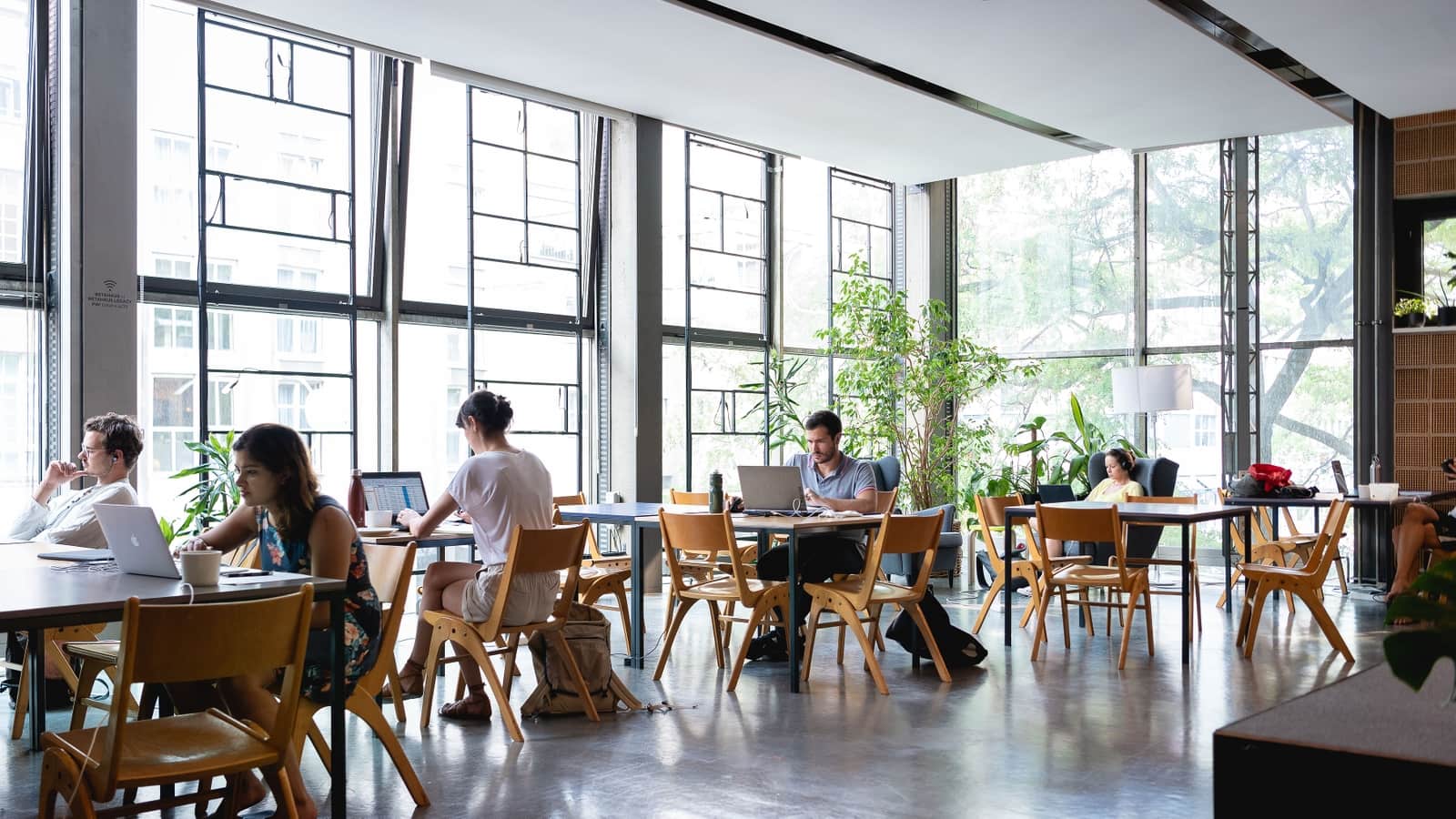
When betahaus opened its doors on April 1st, 2009 at Prinzessinnenstraße near Moritzplatz, the project was so scrappy enough that the furniture came from bankruptcies, government donations, and road trips to Wittenberg.
Co-founders Max and Madeleine built the tables themselves. A printer came from the Deutsche Bundestag, sofas from strangers, and roughly 150 chairs from the former Finance Ministry of Eastern Germany. betahaus.
Seventeen years on, betahaus is one of Berlin's longest-standing independent coworking spaces — a rare thing in a city where venture capital and acquisitions have reshaped much of the startup infrastructure.
The shareholder structure has remained the same since day one, with no major external sales. betahaus Max describes that independence as a point of personal pride: "We are still and have always been an independent company. This is something we built with our money, with our effort."
The first member — or one of two who still debate the title — was a web consultant named Karim. The second contender, Ron, wrote TV screenplays. For years, a friendly competition ran between the two over who actually signed up first, a detail that slipped through the cracks of early record-keeping. betahaus The chaos was intentional in its own way. One early prospect called to ask about office space for ten people — with a catch. His name, improbably, was Cash. He needed to bring his own furniture. "I'm like, wow — you're our guy," Madeleine recalls.
Berlin's tech ecosystem has matured considerably since those days. Madeleine is candid about what's changed: "Back in 2009 it was a small scene, a lot of personal connections and each event felt fresh and new." Today, she notes, some events feel corporate and predictable — though she believes the city's best communities still carry that original energy.
Running a coworking space through economic downturns, a pandemic, and the broader shifts in how people work has shaped how both founders think about resilience. Max describes a quiet solidarity among long-term entrepreneurs — an unspoken understanding that the cycle of good times and hard times is universal. betahaus "This gives me strength," he says, "to see that we're not the only ones struggling sometimes."
The lessons they'd pass on are practical. Choose co-founders based on shared values, not just complementary skills. Pick investors carefully. And when it comes to focus: Madeleine says she would have concentrated earlier on the core coworking product rather than experimenting broadly in the early years — though she adds they had a lot of fun doing it. betahaus.
What's kept betahaus alive in Berlin's competitive tech real estate market isn't a product feature or a pricing model. It's something harder to replicate. "Everyone knows that there's good times and bad times," Max says. After 17 years, that shared knowledge is the space itself.
