Flexibility as a Survival Tool: Berlin’s Startup Workspace Shift
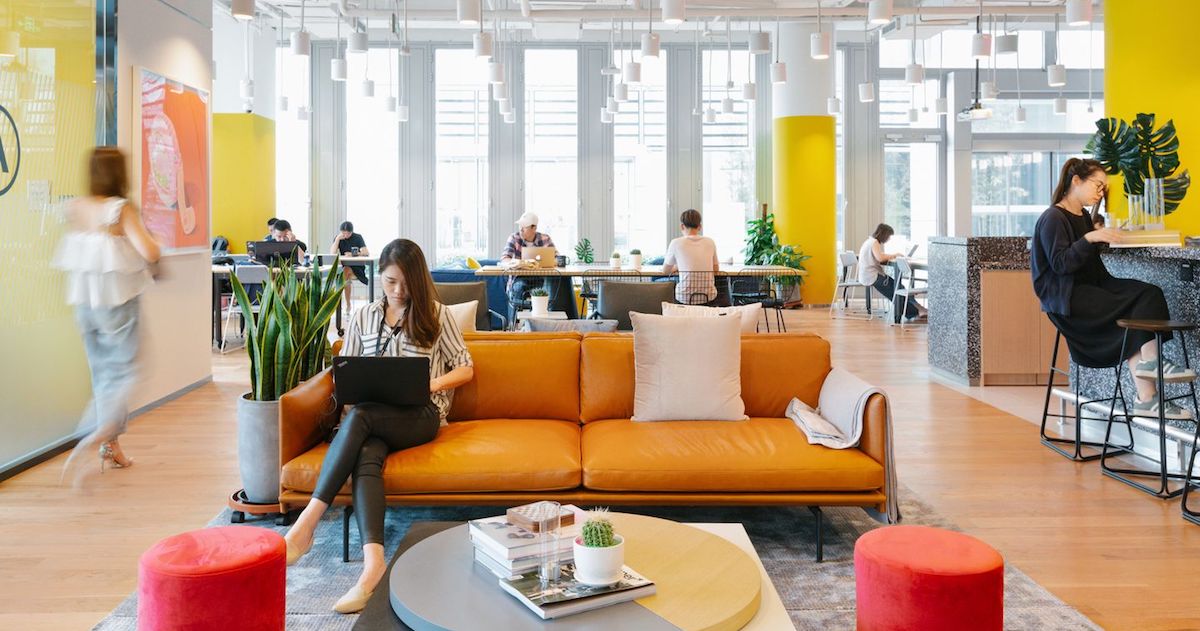
Berlin’s startup scene is leading a quiet revolution in how and where work gets done. The traditional office—with its long leases, fixed desks, and rigid structures—no longer fits the fast-moving, resource-conscious world of early-stage companies. In Berlin, startups are embracing flexibility not just as a perk, but as a necessity for survival and growth.
For founders and small teams, the financial burden of a five-year lease can be crippling. High deposits, agent fees, and the cost of outfitting a space tie up capital that could be better spent on product development or hiring. A startup that begins with three employees might scale to ten—or pivot entirely—within months. Flexible office solutions remove the risk of being locked into an ill-fitting space, offering the agility to expand or downsize as needed.
Yet, flexibility isn’t just about cost. Startups thrive in environments that foster creativity, collaboration, and efficiency. The best modern workspaces in Berlin offer more than just a desk and Wi-Fi. They provide high-speed internet, professional meeting rooms, and soundproofed areas for focused work. Many also cultivate communities, connecting founders with potential partners, investors, or clients. As one local entrepreneur noted, “A fixed office would limit our ability to adapt. We need a space that grows with us, not one that holds us back.”
Sustainability is another driver. Shared offices allow startups to pool resources, reducing waste and overhead. Instead of each company maintaining its own underused meeting rooms or kitchens, flexible spaces enable efficient use of resources—aligning with the values of a generation that prioritizes both economic and environmental responsibility.
Berlin’s startup ecosystem is built on change. The city attracts international talent, temporary projects, and founders who pivot quickly. Rigid office leases don’t fit this reality. Flexible workspaces are the logical response, offering the freedom to scale, experiment, and innovate without the constraints of traditional real estate.
