From Berlin to the Moon: Neurospace rides Artemis-2’s Mission with Germany’s First CubeSat
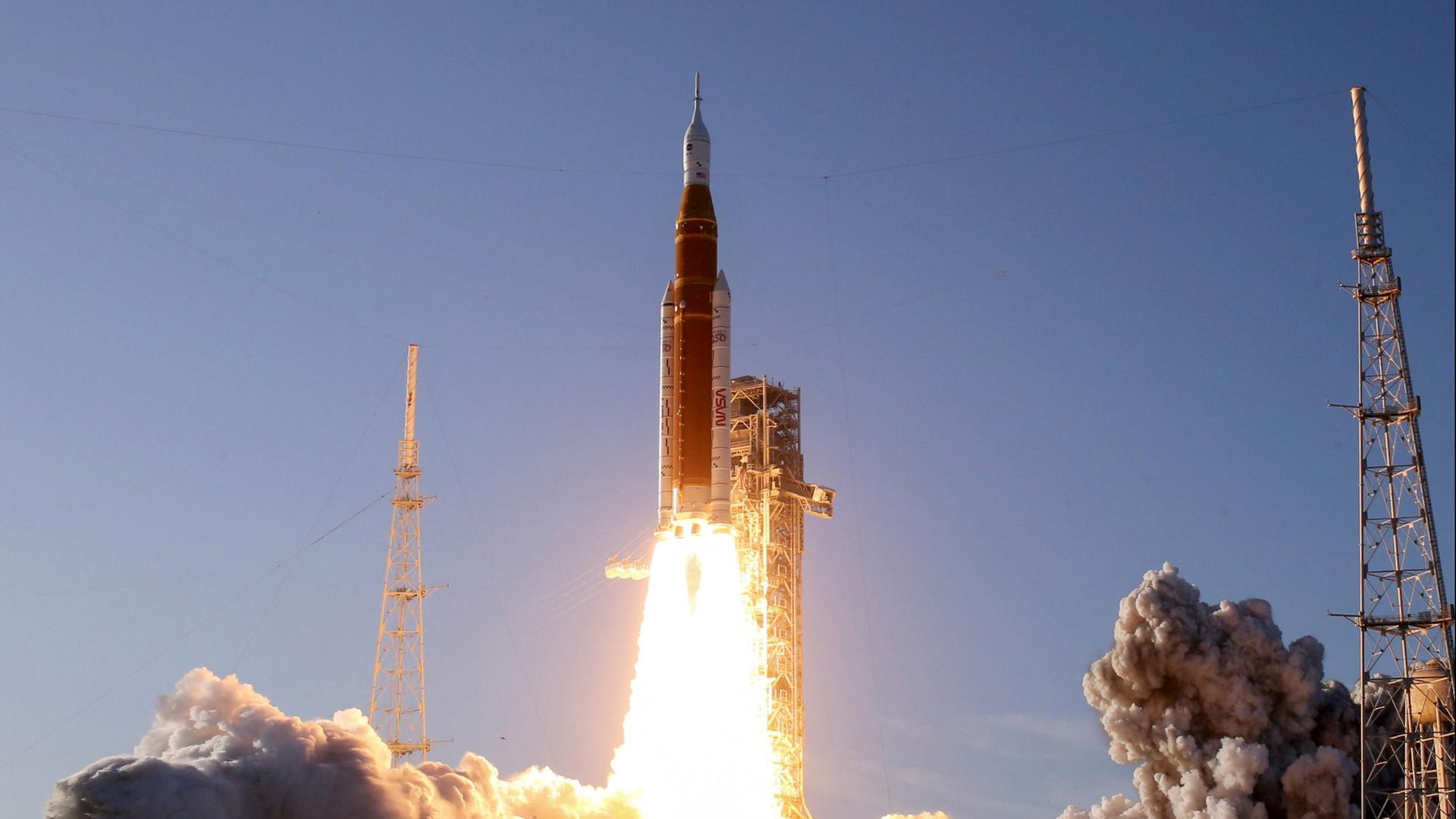
A small satellite from Berlin is now on its way to the Moon, marking a milestone for Germany’s growing space sector. Neurospace, a startup based in the city, launched its 12U CubeSat, Tacheles, aboard NASA’s Artemis-2 mission early this morning.
The satellite is designed to test critical rover electronics in the harsh conditions of deep space, including the Van Allen radiation belts, the most intense radiation zones around Earth.
The Artemis-2 mission, which lifted off from Kennedy Space Center in Florida at 00:35 CEST, is the first crewed lunar flyby in over 50 years. Tacheles, barely larger than a suitcase, is the first CubeSat from a German NewSpace company to participate in a crewed mission. “This is a testbed for the future of lunar and Martian exploration,” said Irene Selvanathan, founder and CEO of Neurospace. “We’re pushing the limits of what’s possible with small, agile satellites.”
For Neurospace, the mission is a high-stakes gamble. Startups in the space industry face immense challenges: securing funding, proving reliability, and competing with established aerospace giants. Yet, their flexibility and innovation are becoming essential to the future of space exploration. “Startups bring a different mindset,” said Walther Pelzer, Director General of the German Space Agency at DLR. “They’re willing to take risks and move quickly, which is exactly what we need to advance space technology.”
Tacheles carries the electronics for Neurospace’s future Moon rover, designed to operate in extreme radiation environments. As the satellite passes through the Van Allen belts, it will gather data that could revolutionize radiation shielding and spacecraft design. The mission also highlights Berlin’s emerging role as a hub for space innovation. “This shows that you don’t need a massive budget to make a global impact,” Selvanathan added. “You need vision, determination, and a willingness to innovate.”
The success of Tacheles could open doors for Berlin’s tech ecosystem, proving that small players can contribute to the next era of space exploration. For now, the world watches as Artemis-2 and its German payload chart a course for the Moon—and beyond.
