From Berlin to the World: The Flight Connection Gap Holding Back City's Tech
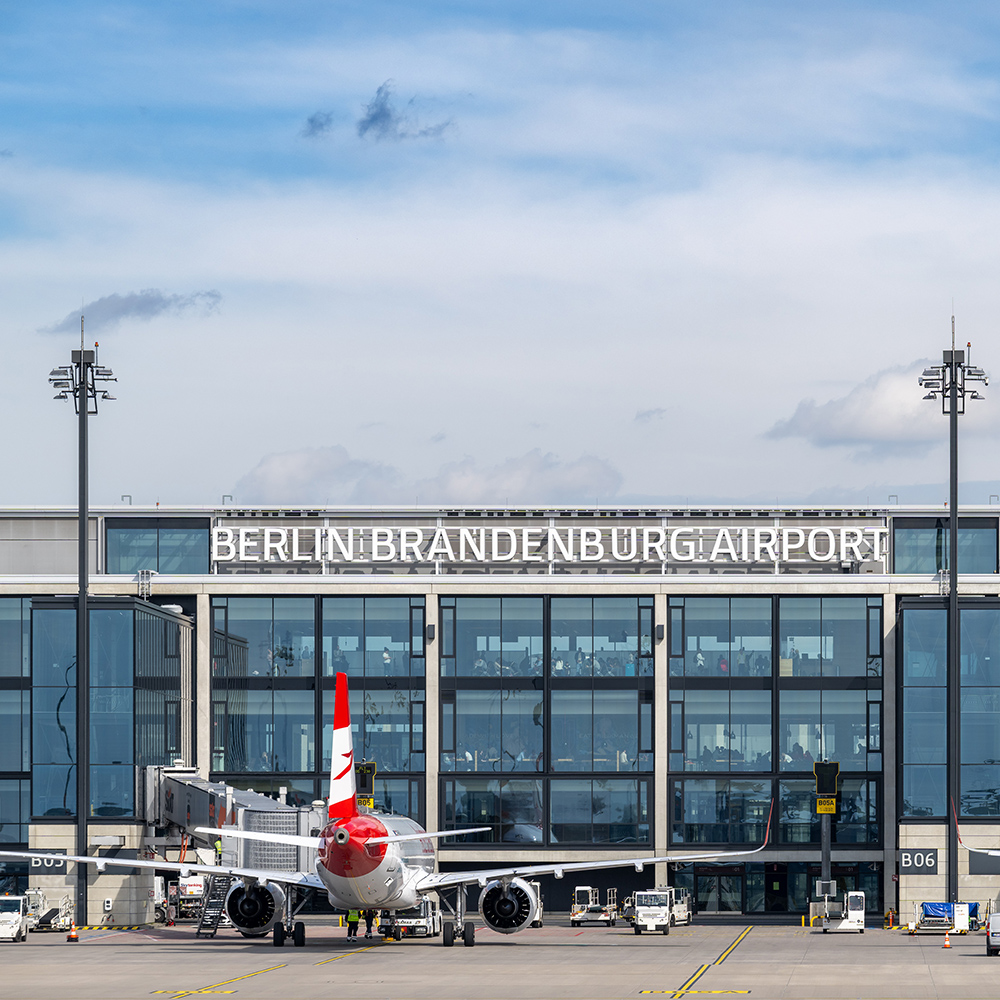
Berlin’s tech ecosystem is thriving—valued at €169 billion and home to over 3,000 startups. Yet, despite this momentum, a persistent challenge looms: Berlin’s airport, BER, lacks the robust international flight connections that fuel innovation and growth in rival hubs like London, Paris, or Amsterdam. The airport’s summer 2026 schedule lists 155 destinations across 55 countries, but only a fraction—around 10-12%—are long-haul, leaving Berlin at a competitive disadvantage.
For tech startups, the impact is immediate and tangible. Berlin’s founders and investors rely on face-to-face meetings with international partners, clients, and potential hires. Without direct, frequent flights to key markets like Silicon Valley, Singapore, or Dubai, the city’s ability to attract and retain top talent and investment is compromised.
As one Berlin-based VC noted, “Every missed connection or extra layover is another reason for a startup to choose Munich or Frankfurt as their base.” The city’s lack of non-stop routes to major tech centers also makes it harder to host international conferences and hackathons, which are critical for networking and brand visibility.
The consequences extend beyond individual companies. Berlin’s ambition to become Europe’s top tech hub depends on its ability to compete globally. Cities like London and Paris offer dozens of direct flights to Asia and the Americas, while Berlin’s long-haul options remain limited.
This reduces the city’s appeal for international firms looking to establish European operations and slows the pace of knowledge transfer and collaboration. As Berlin’s tech sector continues to scale, the airport’s connectivity gap risks becoming a bottleneck for the city’s economic growth.
Industry reports highlight that Berlin’s tech ecosystem is already a powerhouse, but its potential is capped by infrastructure that fails to match its ambition. Without a significant expansion of international flight routes, Berlin risks falling behind in the global race for talent, investment, and innovation.
