From Pakistan to Berlin: Saad Saeed’s Journey to Revolutionize Travel Tech
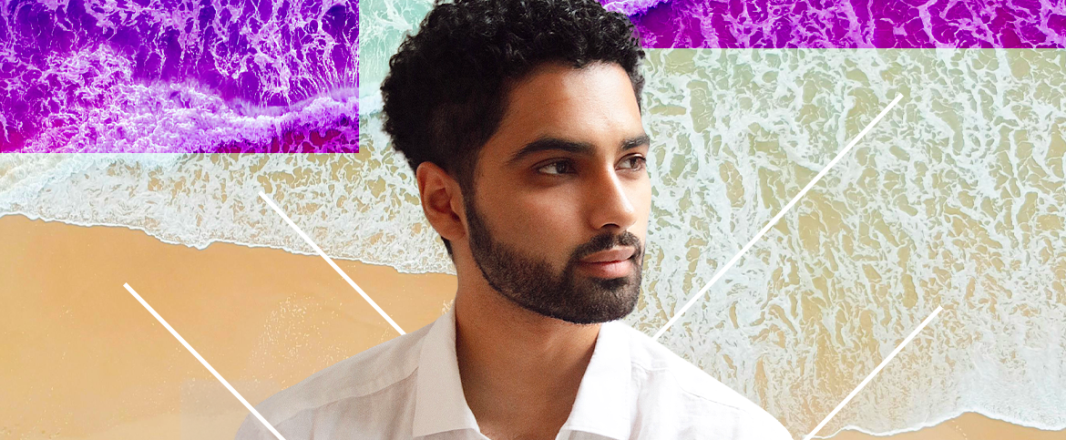
When Saad Saeed moved to Berlin from Pakistan, he was captivated by the Autobahn’s lack of speed limits—“It’s crazy,” he recalls. “Out of all the countries, the one with no speed limit has to be Germany—with all the rules.” Yet this appetite for speed led him far beyond fast cars.
Today, Saeed is applying that same energy to travel technology, as the founder of Layla.ai, a Berlin-based startup aiming to solve one of the industry’s most persistent headaches: trip planning.
Fifteen years after his move, Saeed’s focus has shifted from logistics to data-driven innovation. Before Layla.ai, he was member of the founding team of Flink, a rapid grocery delivery service that scaled to 10,000 employees across Europe before he realized its operational complexity wasn’t his passion. “Groceries is definitely not my industry,” he admits. Instead, Saeed thrives where algorithms and personalization take center stage—a lesson he learned building financial systems that predicted loan repayments. “That’s the kind of problem I love solving,” he says.
The spark for Layla.ai came during his travels. “It felt strangely primitive,” Saeed explains. “I had to open ten browser tabs—flights, hotels, blogs, videos—piecing together an itinerary.” Even platforms he’d used for years seemed oblivious to his preferences. “Spotify knows what music I want. Netflix knows what shows I’ll watch. But travel platforms still didn’t know me.” The contrast was stark: while personalization had transformed nearly every other consumer sector, travel remained transactional.
Investors warned him: “Don’t build a trip planning startup.” The industry’s track record is littered with failed attempts, dubbed the “graveyard” of tech. Yet Saeed saw opportunity in the failure. “If many have tried and failed, it doesn’t mean the problem isn’t real,” he argues. “It might just mean the timing wasn’t right.”
Three shifts convinced him the time was finally right. First, the pandemic accelerated the digitization of travel inventory—hotels, activities, flights—turning unstructured data into analyzable information. Second, social media transformed how people discover destinations, with Instagram reels and TikTok clips inspiring millions. Saeed noticed comment sections flooded with the same questions: “Where is this? How do I go there?” Creators rarely had time to answer, and platforms lacked tools to bridge the gap between inspiration and booking.
Finally, artificial intelligence unlocked the ability to process thousands of variables—flights, weather, budgets, visa rules—simultaneously. “Per trip, there are around 2,000 data points involved,” Saeed notes.
Layla.ai integrates content from over 2,000 travel creators, combining visual discovery with conversational planning and search filters. “We’re stitching together three interfaces: visual inspiration, AI-driven conversations, and traditional search,” he explains.
Yet Saeed doesn’t believe AI will replace human travel advisors. For complex trips—safaris, honeymoons—humans still provide the reassurance needed before committing thousands of dollars. Layla.ai’s model combines AI-generated itineraries with human validation, boosting conversion rates for travel agents fivefold.
The race is on. Major platforms like Airbnb, Booking.com, and Skyscanner are launching AI planning tools, shifting the battle from Google traffic to who owns the traveler’s relationship. Saeed remains undeterred. “The race has definitely started,” he says.
Early traction is promising. Layla.ai has processed over $1 billion in planned trip value, with 40% of users skipping destination searches entirely. Its subscriber base skews toward travelers aged 40–60 planning complex itineraries, and Saeed is eyeing Asia, where social content and commerce are already intertwined.
For Saeed, the goal isn’t just easier planning—it’s more travel, to places and experiences travelers never considered. “When planning becomes effortless,” he says, “people will travel more, and to destinations they never expected.”
