From Powder to Profit: How Berlin’s Holy Energy Scaled Across Europe
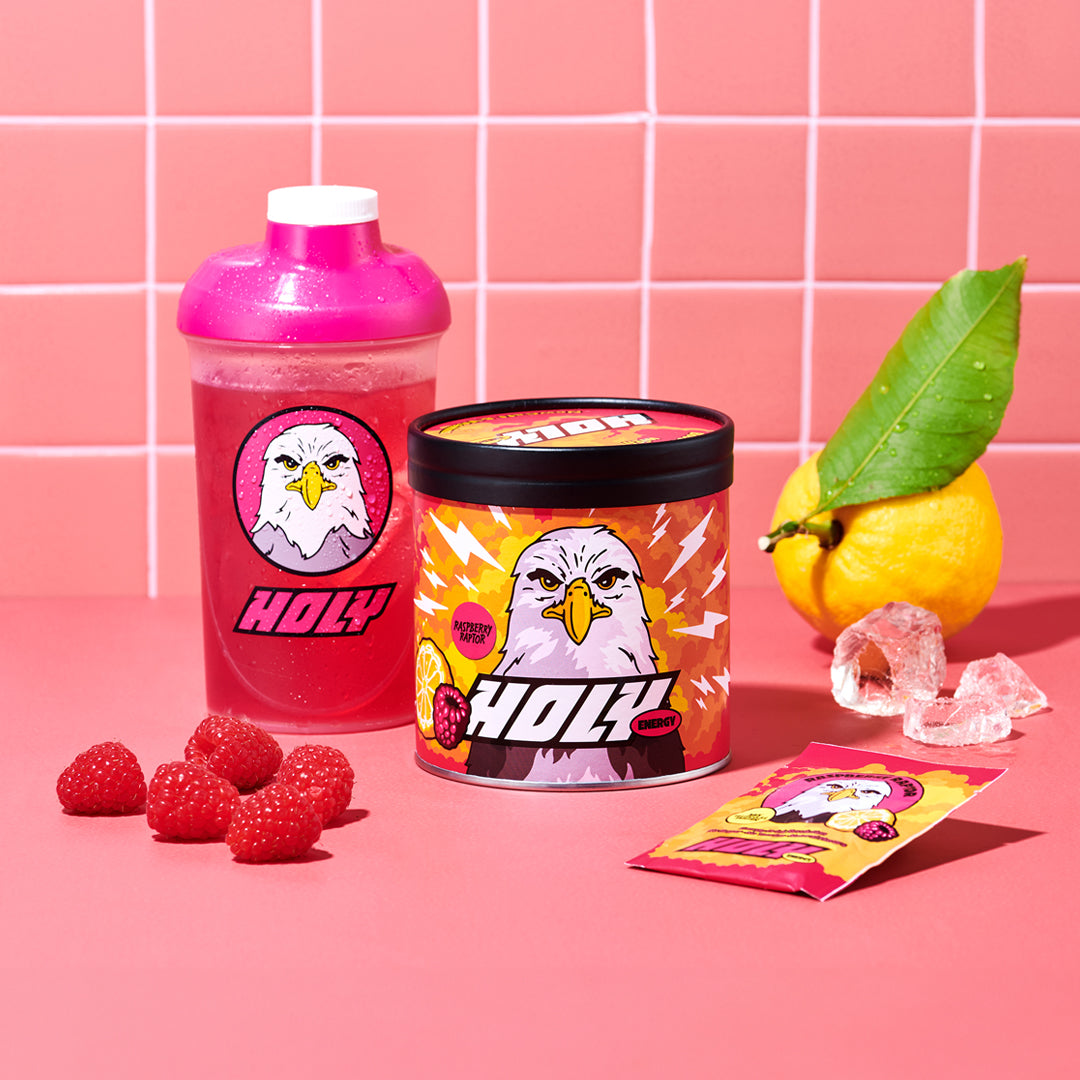
Berlin-based startup Holy Energy is rapidly reshaping the European energy drink market with an unconventional approach. Holy Energy has built its business around powdered energy drinks, positioning itself as a lightweight, flexible alternative to traditional canned beverages dominated by brands like Red Bull and Monster Energy.
Founded in 2020 by Frederick Jost, Philipp Nass, and Mathias Horsch, the company offers flavored powder blends that consumers mix with water. The concept reduces packaging waste and transport costs, while giving users more control over preparation. Its portfolio includes caffeinated energy mixes and hydration-focused products with electrolytes, all marketed without added sugar.
By 2025, the Berlin tech startup reported revenues of €170 million, reflecting strong growth across seven European markets. The company says it has reached around 2.5 million customers, highlighting the demand for alternative beverage formats among younger, health-conscious consumers.
Investor confidence has followed. In a Series A round, Holy Energy secured €10.5 million, led by Left Lane Capital. Additional backing came from FoodLabs, Simon Capital, and V3 Ventures. The funding brings total capital raised to approximately €12.3 million, supporting product expansion and retail distribution.
The company’s shift from direct-to-consumer sales into physical retail marks a key milestone. Since early 2026, Holy Energy products have appeared in more than 6,000 stores across Germany and Austria, including major supermarket chains like Rewe and Edeka. This move reflects a broader trend among Berlin startups seeking hybrid distribution strategies that combine e-commerce with in-store visibility.
Despite its growth, the company faces scrutiny. Germany’s Verbraucherzentrale Sachsen-Anhalt has raised concerns about caffeine levels in powdered energy drinks, particularly for younger consumers. The watchdog warns of potential health risks linked to high intake, especially among those sensitive to stimulants.
Holy Energy states that it uses microencapsulated caffeine, which it claims is gentler than conventional formulations. However, experts note that health impacts depend heavily on dosage. Consumers are advised to follow recommended intake guidelines and review ingredient information carefully.
As Berlin continues to position itself as a hub for consumer tech innovation, Holy Energy illustrates how product design and distribution can disrupt established industries. Whether powdered drinks will rival traditional energy beverages at scale remains uncertain, but the startup’s rapid rise signals shifting preferences in Europe’s beverage market.
