Moruga Kakao: Berlin’s Startup Brewing Success
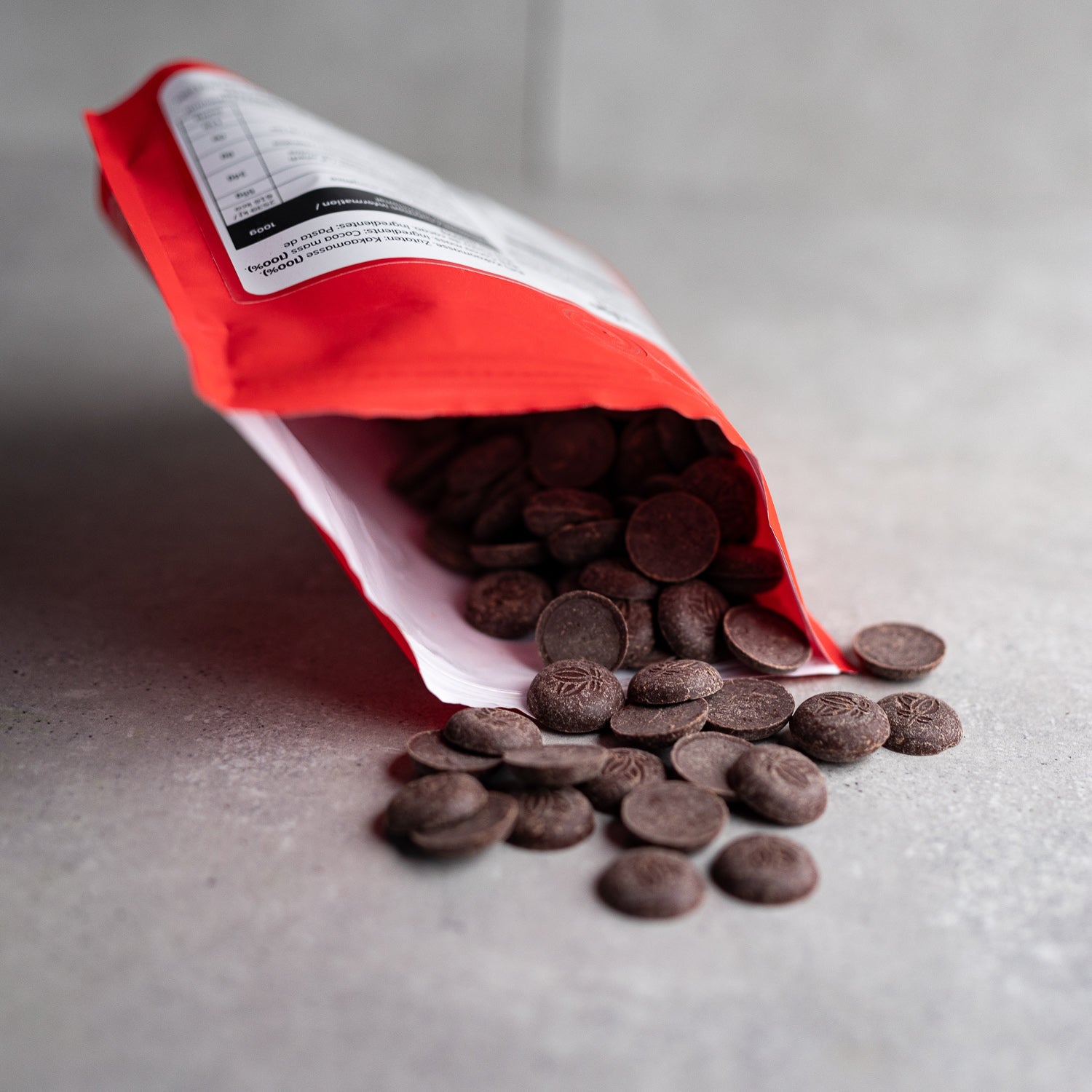
Moruga’s journey from a niche idea to a €4 million venture highlights both the opportunities and hurdles of building a startup in Berlin.
The company’s rapid growth—from €150,000 to €4 million in revenue—was driven by a simple yet bold concept: pure cocoa mass, not powdered cocoa, sourced from special origins like Peru’s Chuncho and Mexico’s Tabasqueno. Unlike supermarket cocoa, Moruga’s product is minimally processed, retaining the natural qualities of the cacao bean. But success came with its own set of challenges, from soaring ingredient costs to bureaucratic hurdles that nearly derailed the business.
For founder Jonas Wind, Berlin’s ecosystem was instrumental in shaping Moruga’s trajectory. “I’ve learned how startups work in Berlin,” he says. “The city’s network of co-working spaces, mentors, and founders provided the foundation I needed to scale.” Yet, despite Berlin’s reputation as a startup hub, Wind acknowledges the city’s waning global competitiveness.
“Munich has gained ground, especially in industries tied to manufacturing,” he notes. “But Berlin remains unmatched for lifestyle brands and cultural innovation.” Still, navigating Germany’s bureaucratic maze proved to be the toughest obstacle. Wind recalls waiting 18 months for a VAT ID and facing a 600,000 euro tax bill after a misclassification of their product—setbacks that forced them to double prices almost overnight.
The shift to pure cocoa also meant targeting a premium market. Moruga’s €79 starter kit and €89 premium version cater to consumers willing to pay more for quality, much like the shift seen in coffee and wine.
“We’re not competing with supermarket cocoa,” Wind explains. “We’re offering a product for those who value craftsmanship and origin.” However, rising cocoa prices—peaking at $12,000 per tonne compared to $2,200 just a few years ago—forced the company to adapt quickly. “We had to pass those costs on,” Wind admits. “It’s a reminder that even the most innovative products aren’t immune to market realities.”
Marketing posed another challenge. While Moruga’s small but loyal following (25,000 followers) drives organic engagement, the real growth engine has been performance marketing. “We reach two to three million people monthly through targeted ads,” Wind says. “That’s where the real impact happens.” Influencer collaborations were considered but ultimately avoided. “Influencer marketing can be risky,” he explains. “We wanted to build a brand that lasts, not one that burns bright and fades fast.”
As Moruga scales—aiming for 100 to 120 tonnes of cocoa this year—the path forward isn’t without uncertainty. Bio-certification added another layer of complexity, though Wind sees potential in retail partnerships down the line.
“Supermarkets want cheap, mass-market products,” he says. “Our cocoa belongs in specialty stores, not standard shelves.” For now, Moruga remains a testament to Berlin’s enduring appeal for startups, even as global competition intensifies.
