Qdrant Secures New Investment as Berlin Strengthens Its AI Infrastructure Scene
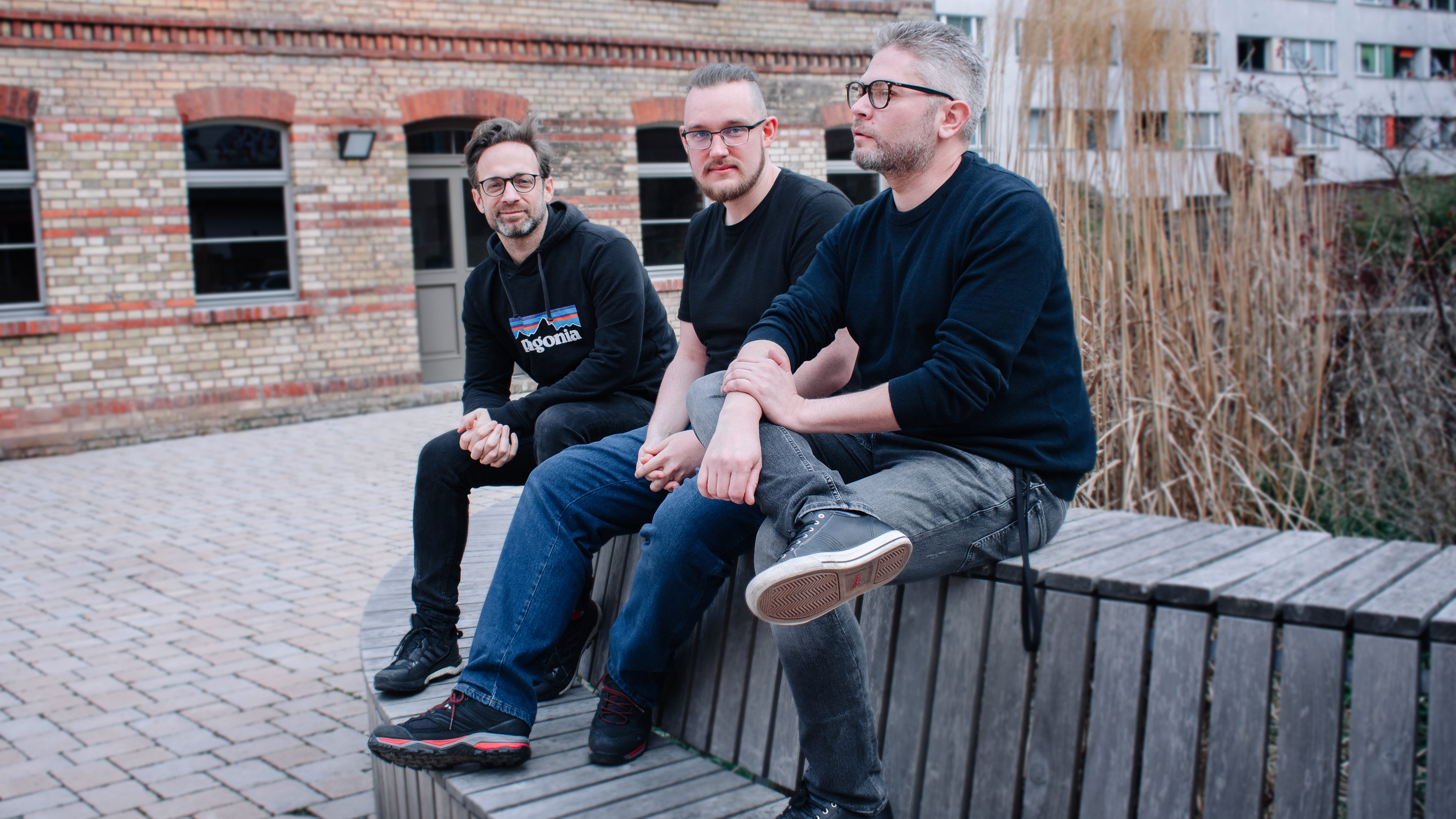
Vector database startup Qdrant has announced a new funding round aimed at accelerating the development of its open-source technology used by companies building modern AI applications.
Founded in Berlin in 2021 by André Zayarni and Andrey Vasnetsov, Qdrant has built a vector search engine designed for machine learning and generative AI workloads. Its technology allows developers to store and query vector embeddings — the numerical representations used by AI models to understand text, images, and other data.
Vector databases have become a core layer in the generative AI stack. When users interact with AI assistants, recommendation engines, or semantic search tools, vector search helps retrieve the most relevant information in real time. That capability has made platforms like Qdrant increasingly important as companies move from AI experimentation to production systems.
According to the company, the new funding will be used to expand the engineering team, invest further in its open-source ecosystem, and scale its managed cloud offering. The startup has seen strong traction from developers building AI-native applications, with adoption growing rapidly as retrieval-augmented generation (RAG) architectures become more common.
“Today’s AI applications require a completely new type of database infrastructure,” CEO André Zayarni said in the company announcement. “Our goal is to provide developers with the most efficient and scalable vector search technology to power those systems.”
One of Qdrant’s biggest strengths has been its developer-first approach. The company launched its core database as open source, which helped it quickly gain traction among AI engineers and machine learning teams experimenting with large language models and embedding-based search.
For Berlin’s tech community, Qdrant’s momentum reflects a broader shift happening in the city’s startup ecosystem. While Berlin has long been known for consumer startups and marketplaces, the latest wave of founders is increasingly focused on deep infrastructure for AI and data platforms.
As generative AI continues to reshape software development, the demand for specialized infrastructure — from vector databases to data pipelines and model orchestration — is growing rapidly. Startups like Qdrant are positioning Berlin as a serious hub for the companies building the underlying systems powering the AI era.
If the current trajectory continues, Berlin may not just produce AI applications — it could become one of Europe’s key centers for AI infrastructure companies.
