Uber Acquires Berlin’s Blacklane in Major European Mobility Tech Deal
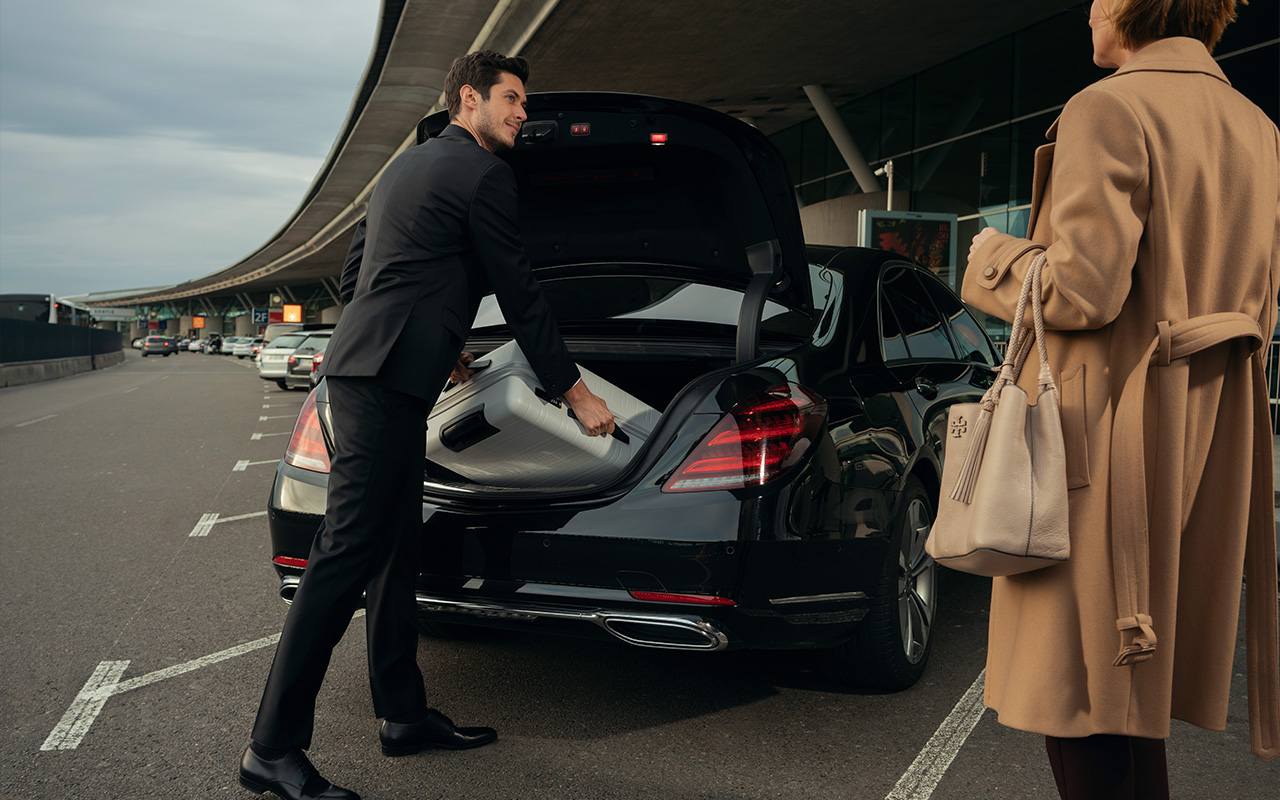
Uber is acquiring Berlin-based chauffeur service Blacklane, marking one of the most significant exits in European mobility tech this year.
Financial terms of the deal were not disclosed, but sources cited by TechCrunch indicate the acquisition values Blacklane above its last private valuation. The move reflects Uber’s renewed focus on premium transport and corporate travel, segments that have rebounded strongly since the pandemic.
Founded in 2011, Blacklane built its business around pre-booked chauffeur services, avoiding ride-sharing features such as dynamic pricing. The company expanded internationally and now operates in more than 50 countries, with a strong presence across Europe and the Middle East.
The Berlin tech company raised over $100 million from investors including Mercedes-Benz and Sixt. Those backers originally viewed Blacklane as part of a broader push by traditional automotive firms into digital mobility services.
Uber’s acquisition comes as the company seeks to strengthen its position in higher-margin ride categories. While its core platform remains associated with low-cost, on-demand transport, the company has been expanding premium offerings aimed at business travellers and corporate clients.
Blacklane brings an established network of professional chauffeurs, as well as long-standing relationships with corporate customers. This is an area where Uber has faced challenges in building consistent service standards across markets.
For Berlin’s startup ecosystem, the deal highlights ongoing challenges around scale and exit strategies. While Blacklane achieved global reach, many startups in the city continue to face difficulties expanding beyond regional markets.
The transaction also reflects a broader shift in mobility tech, where companies are prioritising profitability over rapid expansion. Premium services, particularly those tied to business travel, are seen as more stable revenue sources compared to mass-market ride-hailing.
Integration is expected to be a key focus following the acquisition. Blacklane’s model is based on advance bookings and controlled service delivery, while Uber operates a large-scale, on-demand platform. How the two systems will align remains unclear.
The acquisition underscores continued consolidation in the sector, as global platforms acquire specialised companies rather than building new services internally.
